Timber Pest Inspections
Timber Pest Inspections and Reporting
It is important to note that inspections are of accessible and practical areas only.
It is not possible to inspect every section of a building;
there are areas which are hidden, such as behind plaster walls, and areas that are physically impossible to gain access to, such as areas under 400mm which are not big enough to crawl into.
We do not lift furniture, fittings, roof insulation or roof tiles during an inspection as this is not practical and may lead to roof leaks or damage to the home.
Each inspection commences in the interior of a building, checking accessible areas using sounding on door frames and skirtings as a guide.
We do not lift furniture, fittings or floor coverings such as carpet during an inspection as this is not practical and may cause damage to the home.
We encourage clients to move furniture away from walls, and move any stored goods off floors or against walls prior to our arrival so that better access can be gained.
Subfloor areas of houses on stumps
Where accessible, the subfloor is inspected. Again, many subfloor areas are inaccessible as they are too low for a body to fit into or are blocked by pipes or ducting. In inspecting the subfloor, the technician is aiming to establish how termites may be accessing the building.
An indicator of termite entry is the presence of termite mud tunnels or termite workings. The absence of mud tunnels or soft/hollow timbers is not a guarantee that termites are not accessing a building, as they could be entering the building in an area where the technician cannot gain access during an inspection.
Roof cavity where there is a pitched roof and manhole access
The roof void of pitched roof buildings is inspected.
It is not possible to inspect the roof void of buildings which have been constructed with a flat roof or that have cathedral type ceilings as they are not accessible.
We do not lift roof insulation or roof tiles during an inspection as this is not practical and may lead to roof leaks or damage to the home.
Internal timbers such as door frames and skirtings are tapped to determine how solid they are.
If there is termite damage in these areas, the timbers will sound hollow when tapped.
Termatrac and Thermal Imaging Cameras
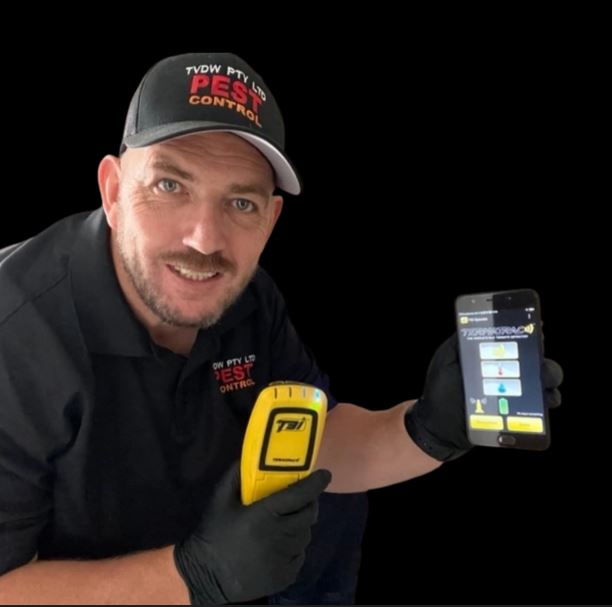
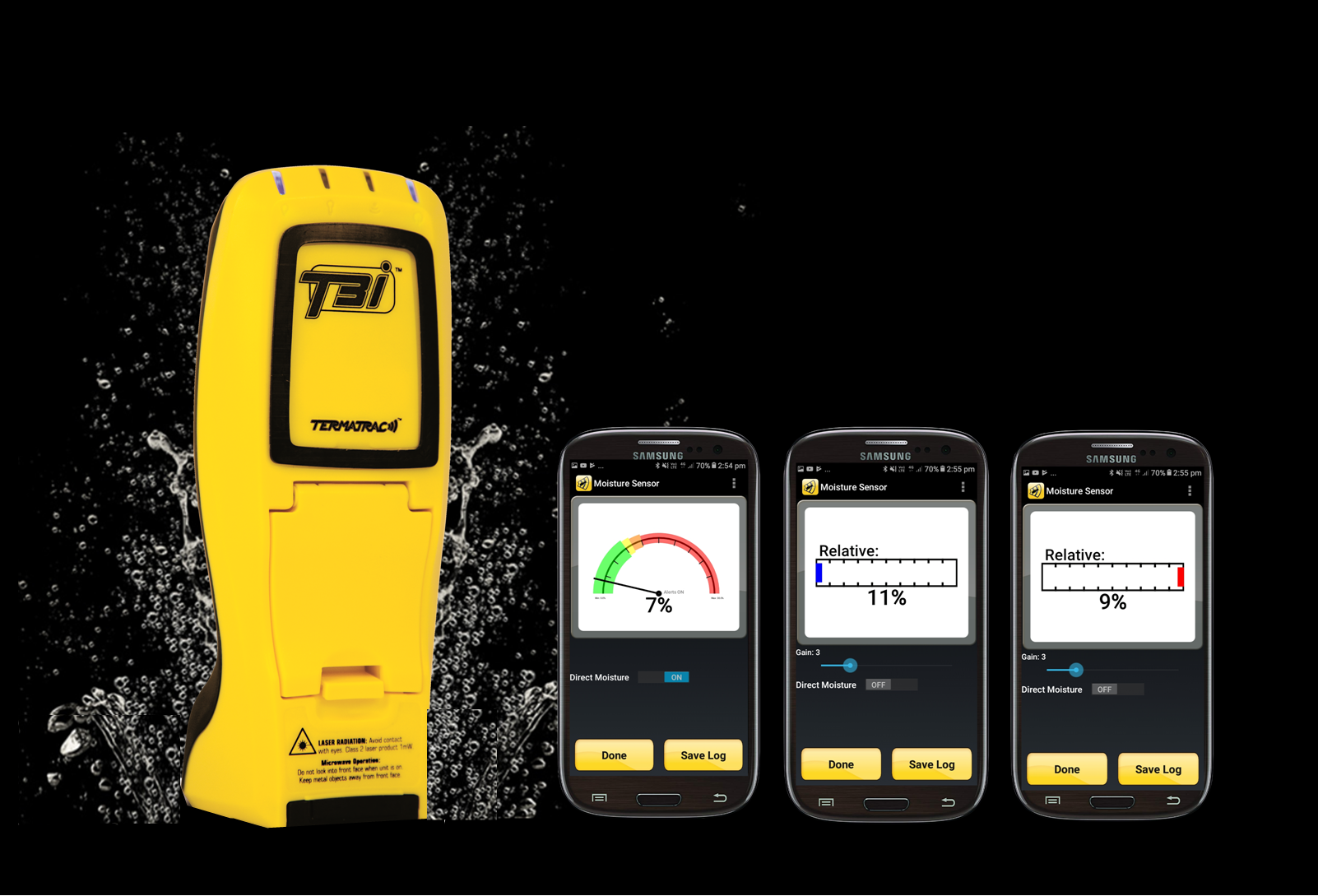
A Termatrac is a device that uses radar technology to detect movement and heat. A Termatrac will be used in areas of suspected activity.
Moisture Meter
Where termite activity is suspected, a moisture meter will also be used to detect the moisture content of the timber.
High moisture levels can indicate a termite presence as termites require a moist environment to survive.

Contact Us for a Free Estimate
Phone: 0497 560 306 (Perth & Surroundings)